CAPE CANAVERAL, Fla. - A former NASA astronaut is raising serious safety concerns about the Artemis II mission’s crew ahead of their scheduled Friday splashdown, claiming the space agency failed to properly address critical heat shield problems that emerged during the 2022 Artemis I mission. Charles Camarda, who previously served as senior adviser for innovation at Johnson Space Center, warned that the crew’s safety remains in jeopardy due to unresolved mechanical failures.
“We are trying to prevent the loss of the Artemis II crew,” Camarda said. “History does not repeat because engineers forget equations. It repeats because organizations forget how to listen to them.” Camarda made his claims after examining documents related to the Artemis program, drawing on his experience evaluating problems and guiding safety protocols for NASA programs.
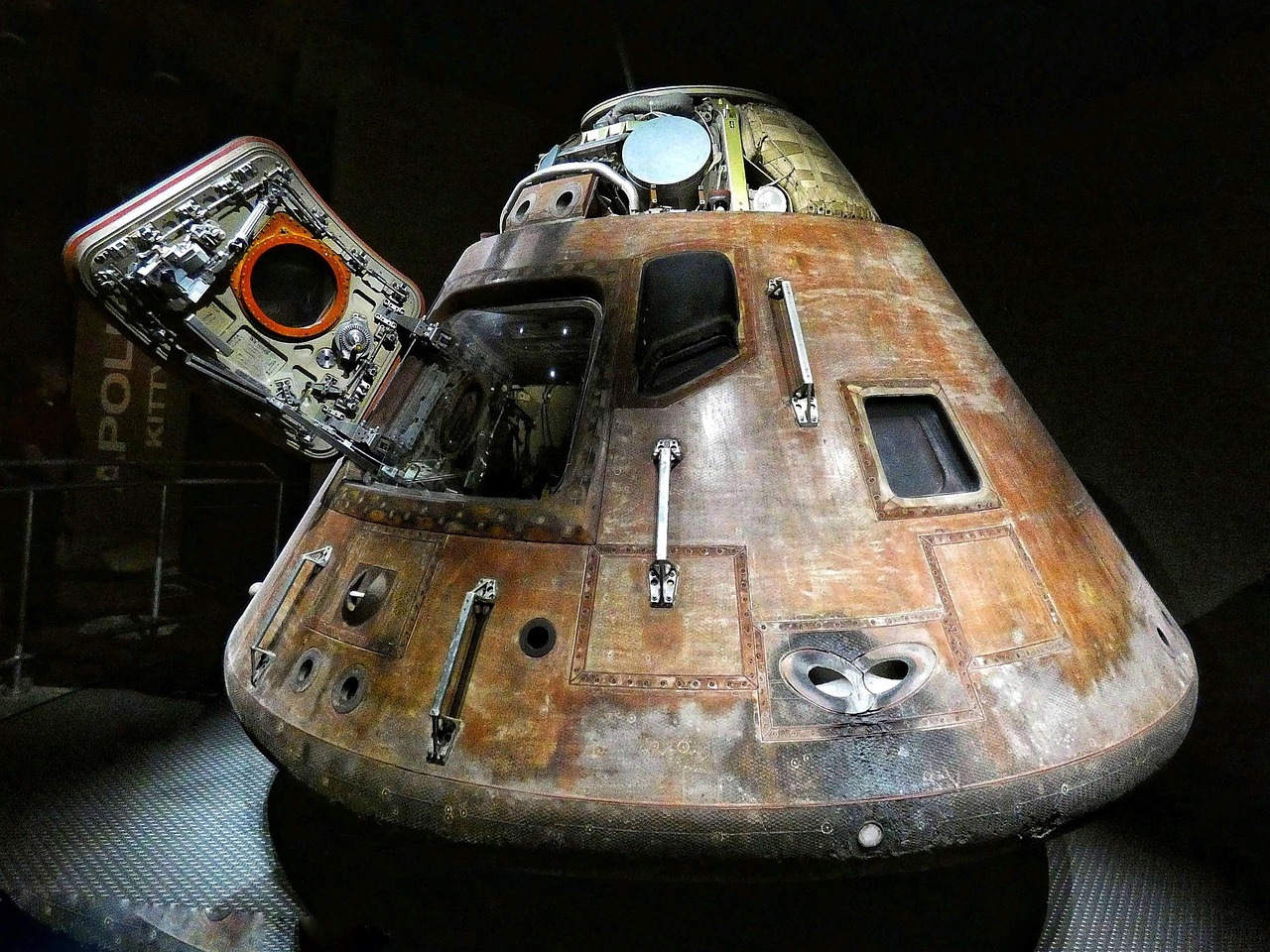
The controversy stems from serious damage discovered on the Artemis I heat shield when the uncrewed spacecraft returned from its mission around the moon in 2022. NASA’s analysis determined that gases generated inside the heat shield’s outer material during a new re-entry technique couldn’t vent properly, leading to pressure buildup, cracking, and charred material breaking off in several locations. The agency’s solution involved modifying the spacecraft’s trajectory upon reentry without replacing or changing the heat shield materials.
Camarda disputed NASA’s explanation, claiming the tools used to analyze the problem are “woefully inadequate” and comparing them to those blamed for the Challenger disaster and Columbia space shuttle loss. He argued the true cause was an inherent structural failure rather than gas buildup from the new entry technique. Camarda also alleged that “NASA never revealed the modified trajectory to the public” and cited various management failures, including dysfunctional organizational behaviors and poor engineering training.
Former NASA Associate Administrator James Free, who retired from the agency in 2025, defended the space agency’s approach and timeline for addressing the heat shield issues. “It’s all how you enter the atmosphere,” Free said during a recent interview. “If you limit the angle at which [Artemis] comes in, that limits how far down range you can go, which limits your landing attempts, but you still stay within the temperature limits that you need to for Artemis II, and that’s what they have planned.” Free maintained that engineers determined they could launch the mission without changing the heat shield, saying the crew was “well within” safety parameters.
NASA reported that temperature data from inside Artemis I held steady in the mid-70s during the heat shield problems, stating the performance “exceeded expectations.” The agency has maintained confidence in its modified reentry approach, which involves adjusting the spacecraft’s atmospheric entry angle to reduce thermal stress on the heat shield while still achieving mission objectives.
The Artemis II mission represents a critical milestone in NASA’s lunar exploration program, marking the first crewed mission around the moon since the Apollo era. The spacecraft carries four astronauts on a multi-day journey that has captured international attention and represents billions of dollars in investment toward eventual lunar surface missions.
The mission is scheduled to splash down off San Diego’s coast just after 5 p.m. PT on Friday, marking the completion of the crew’s historic journey around the moon.