
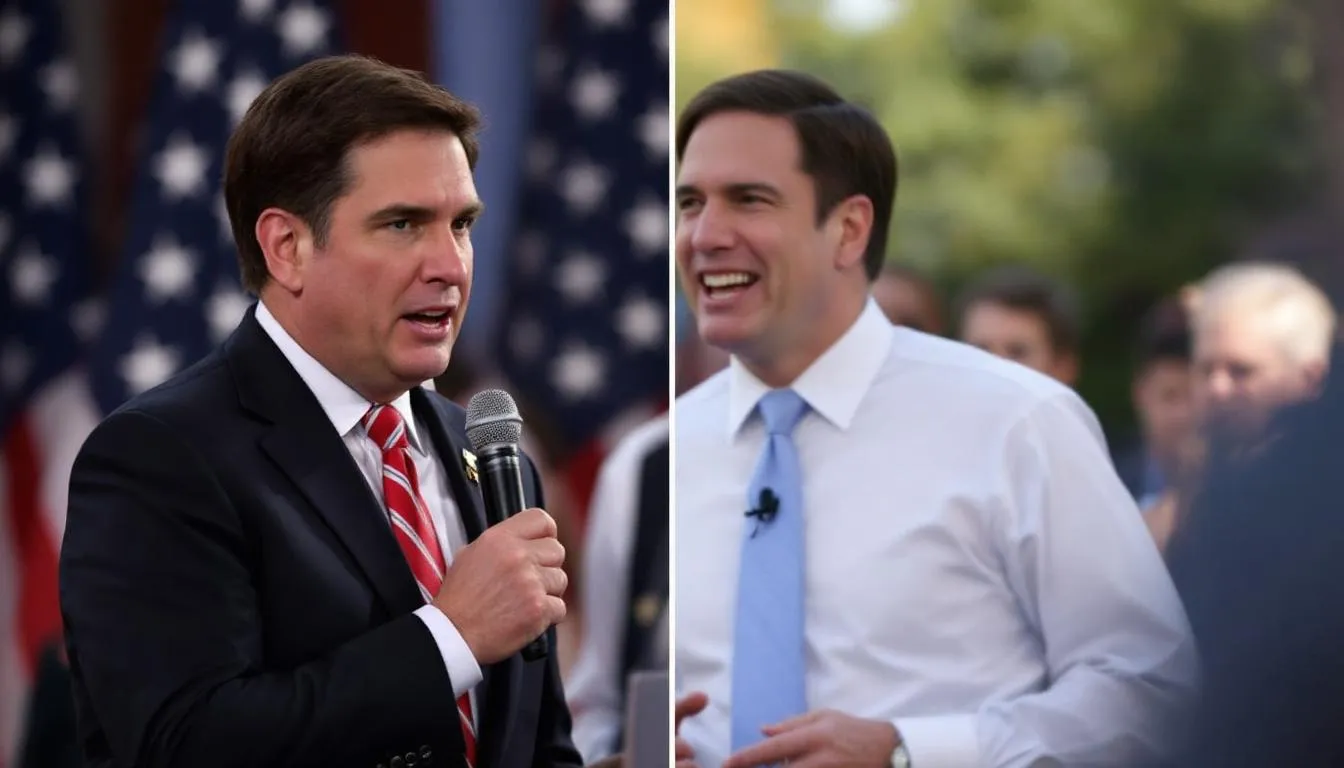
Gov. Ron DeSantis continues to struggle in early 2028 presidential polling, registering just 5% support in a New Hampshire Primary poll from St. Anselm College. The Florida governor’s support dropped two points from October and ties him with former presidential candidate Nikki Haley. Meanwhile, Secretary of State Marco Rubio surged to 27% support, claiming second place behind Vice President JD Vance’s commanding 46%.
DeSantis has not ruled out another presidential campaign, telling Sean Hannity in a podcast interview released Tuesday that timing remains a factor. “We’ll see. I mean, I think that in ‘24, like in Iowa, the people that voted for Trump - if he wasn’t running, I would have gotten like 90% of those people,” DeSantis said. “They were conservative voters, right? They didn’t want the non-conservative. They wanted me. But the timing didn’t work out, obviously, for that. So, you just got to see what happens.”
The New Hampshire Primary’s same-day registration system appears to slightly disadvantage DeSantis, who polls at 5% among registered Republicans but drops to 4% with undeclared voters. Rubio maintains stronger cross-party appeal, securing 26% support from Republican registrants and 27% from undeclared voters. The polling data suggests Rubio has emerged as a more viable alternative to Vance among New Hampshire’s diverse primary electorate.
National polling from The Center Square Voters’ Voice Poll shows similar trends, with Vance leading at 36% among 952 Republicans and 225 right-leaning independents surveyed. Donald Trump Jr. holds second place at 19%, while Rubio captured 9% nationally, representing significant growth from his 4% showing in October. The poll included 15 prominent conservative political figures, with 14% of respondents indicating they remained unsure about their preferred candidate.
Rubio’s rising profile has attracted attention from donors reportedly dissatisfied with Vance, creating potential internal Republican tensions. The Secretary of State performed particularly well among independent voters in the national survey, securing 15% support compared to his 9% showing among registered Republicans. This cross-party appeal could prove crucial in general election scenarios, though the 2028 presidential election remains scheduled for November 7, 2028.
The polling dynamics reflect broader Republican Party positioning as President Trump serves his second non-consecutive term, having been elected in 2024 after defeating Vice President Kamala Harris. Trump remains constitutionally ineligible for a third term under the Twenty-second Amendment, despite floating the possibility of seeking additional time in office. The amendment prohibits any person from being elected president more than twice, making 2028 the first presidential election since 2012 without Trump as the Republican nominee.
Both Florida politicians face different challenges heading into the 2028 cycle, with DeSantis needing to rebuild momentum after his unsuccessful 2024 campaign while Rubio leverages his current federal position. The early polling suggests Republican primary voters may be seeking fresh alternatives to the Trump political dynasty, though Vance’s vice presidential role provides significant advantages. The next major polling milestone will likely come as candidates begin formal campaign activities ahead of the 2028 primary season.