
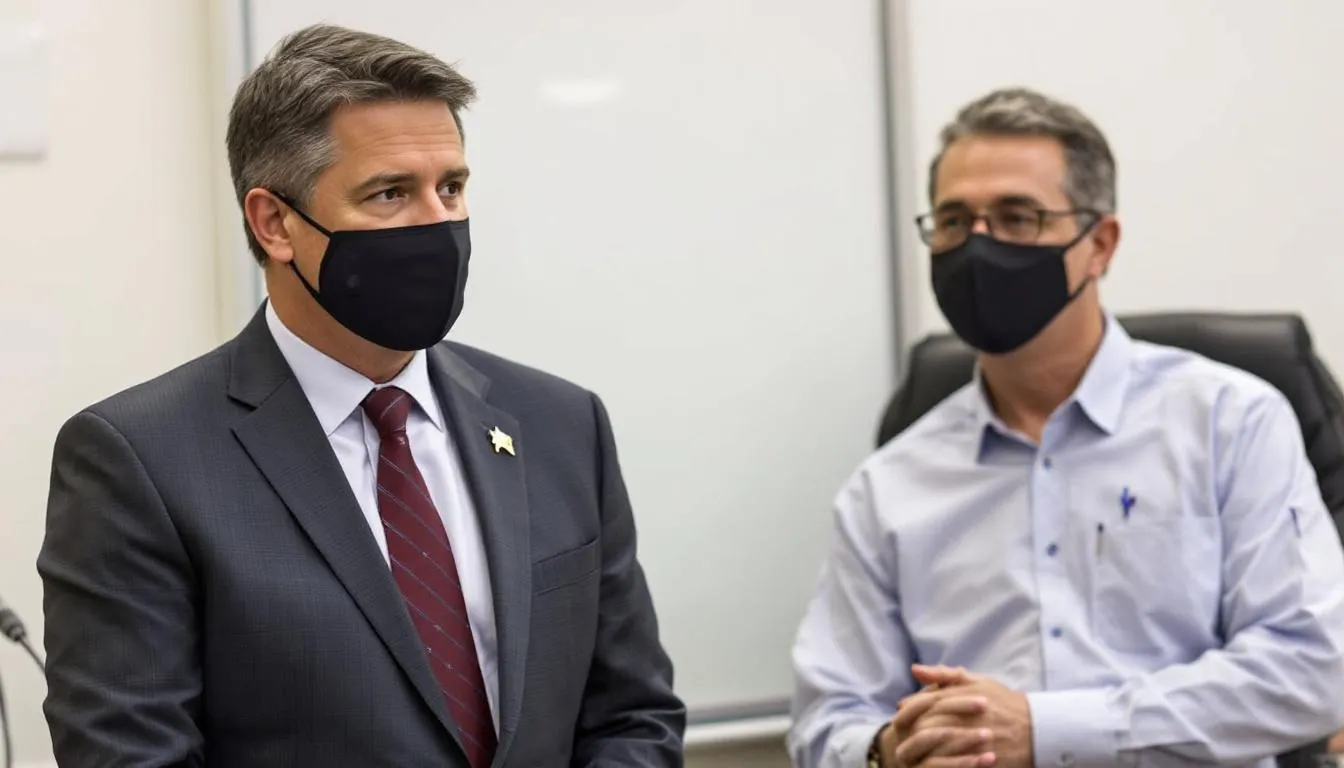
Gov. Ron DeSantis signed two environmental measures Thursday aimed at bolstering coastal protections and streamlining restoration efforts during a Manatee County news conference highlighting his administration’s conservation record. The Governor approved SB 302 and HB 1417, bills focused on coastal resiliency, water quality and environmental regulation. The event also served as a progress update on the long-awaited reconstruction of the Sunshine Skyway fishing piers.
SB 302 strengthens protections for the Terra Ceia Aquatic Preserve, banning dredging and new fill projects in the area. The provision effectively shuts down a proposed cruise port in Manatee County. The measure also expands the use of nature-based coastal protections, including mangrove planting, oyster reef restoration and wetland rehabilitation.
“With this bill now signed into law, this region, the precious coastlines, pristine waters and wildlife habitats are effectively protected from massive transformations that would have destroyed them,” said Senate Majority Leader Jim Boyd, who authored the amendment blocking Terra Ceia dredging. Boyd, a future Senate President whose district includes the Terra Ceia area, framed the legislation as a long-term safeguard against overdevelopment. “Since I was a teen, I have explored these natural treasures, and now future generations will have the opportunity to see, enjoy and love the Terra Ceia we know today.”
HB 1417 takes a more procedural approach, eliminating the Environmental Regulation Commission and shifting rulemaking authority directly to the Department of Environmental Protection to speed up updates. The measure also ratifies water supply protections for the Lower Santa Fe and Ichetucknee rivers. Additionally, the bill adds stricter stormwater requirements for solar facilities to limit runoff and protect nearby waterways.
Florida Department of Environmental Protection Secretary Alexis Lambert said the changes will allow the agency to “carry out its mission more efficiently while maintaining strong environmental protections.” The streamlined approach represents a shift in how Florida manages environmental regulations, consolidating decision-making power within a single agency. This restructuring aims to accelerate the implementation of environmental policies while maintaining regulatory oversight.
Rep. Will Robinson emphasized the legislation’s comprehensive approach to environmental protection. “This legislation takes historic steps toward environmental protection and resiliency, ensuring that our coastal communities stay strong, our waters stay clean, and our state is preserved for generations to come,” Robinson said. The representative highlighted how the bills address multiple environmental challenges facing Florida’s coastal regions.
The Terra Ceia Aquatic Preserve protections specifically target development pressures in one of Florida’s most ecologically sensitive areas. The preserve encompasses critical habitat for marine life and serves as a natural buffer against storm surge. The dredging ban ensures that the area’s shallow waters and seagrass beds remain intact, supporting the broader ecosystem health of Tampa Bay.
The legislation comes as Florida continues to face increasing pressure from development along its coastlines and the ongoing effects of climate change. The nature-based coastal protection measures included in SB 302 represent a growing trend toward using natural systems rather than hard infrastructure to protect shorelines. These approaches often prove more cost-effective and environmentally sustainable than traditional seawalls and bulkheads.
The bills represent the first legislative measures signed by DeSantis in what appears to be preparation for the 2026 Session. The Governor’s focus on environmental protection continues a theme from previous legislative sessions, where coastal resiliency and water quality have remained priorities. The signing ceremony in Manatee County underscored the local impact of the legislation on communities directly affected by the new protections.