
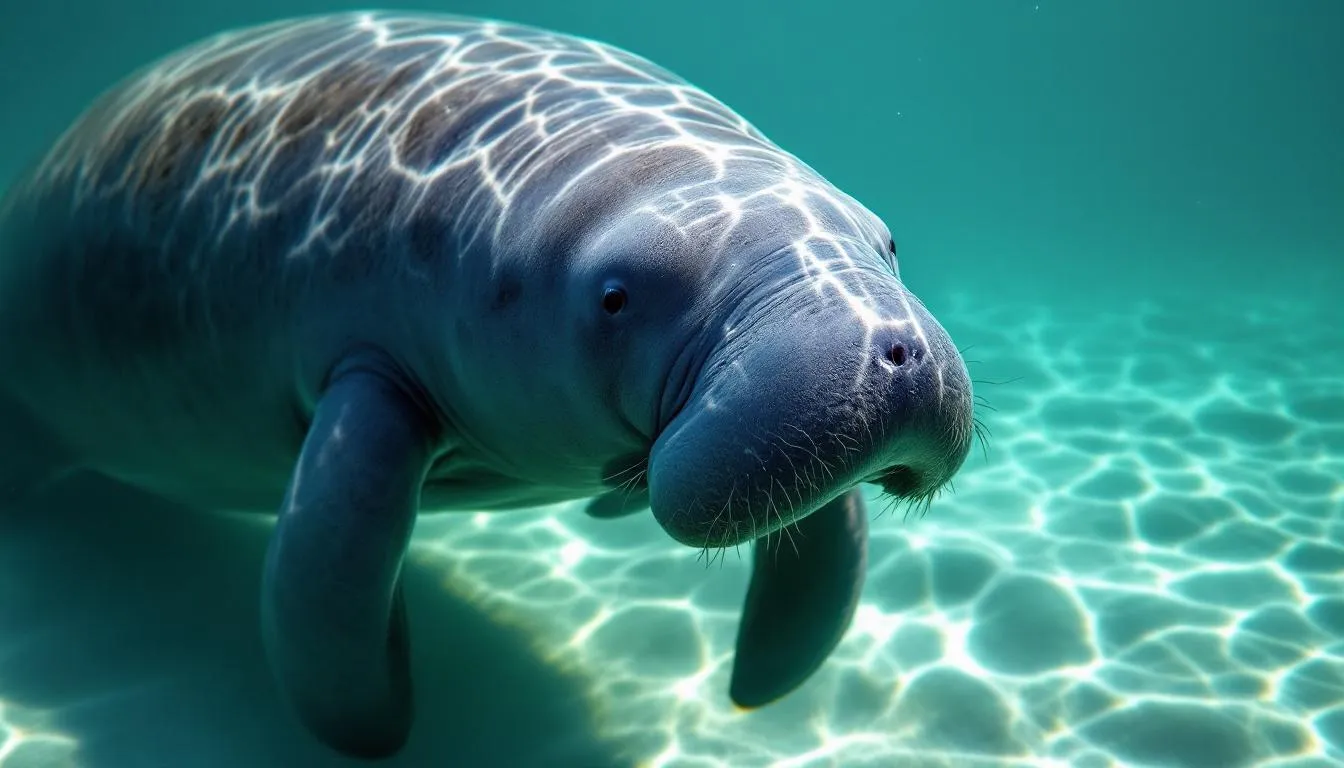
The Florida Fish and Wildlife Conservation Commission documented 632 manatee deaths in 2025, marking a decrease from the five-year average of 731 but representing an increase from the 555 deaths recorded in 2023 and 565 deaths in 2024. The mortality was attributed to a colder winter, red tide blooms, elevated calf mortality, and ongoing watercraft-related deaths. “Cold stress claimed 33 manatees,” said Dr. Beth Brady, Director of Science and Conservation at Save the Manatee Club.
Watercraft collisions remained the leading identified cause of death among necropsied animals, accounting for 25% of examined deaths in 2025 with 98 animals killed by boats. Despite their large size, manatees have only a thin layer of blubber providing limited insulation, making them vulnerable when water temperatures fall below 68°F. Nearly every living manatee bears propeller scars from boat encounters, highlighting the persistent threat from watercraft in Florida waters.
Red tide proved deadly for 50 manatees in Lee County, classified under Natural: Other by FWC. The naturally occurring marine plankton Karenia brevis produces neurotoxins called brevetoxins, which may be inhaled or ingested, causing seizures that often result in manatees drowning. This red tide bloom contributed significantly to the overall mortality numbers recorded by state wildlife officials.
Calf mortality included 136 perinatal deaths in 2025, with many occurring in the Indian River Lagoon where manatee reproduction has rebounded since improved nutritional conditions in 2023. Calves under 5 feet in length fall into the perinatal category, which includes deaths from cold stress, stillbirth, orphaning, or other causes. Some increase in calf deaths is expected with more births, inexperienced first-time mothers, or females still recovering from past malnutrition, according to conservation officials.
The FWC conducts necropsies on selected manatees to determine causes of death, though not every manatee receives this examination. These data remain essential for understanding primary threats to manatees and guiding conservation and management efforts throughout Florida. Manatees face a variety of threats each year that can lead to death, including red tide, collisions with watercraft, cold stress, and natural causes.
As manatees begin dispersing from winter refuges with rising water temperatures, they become more likely to be found in rivers, canals and nearshore waters. Seasonal manatee speed zones remain in effect from April 1 through November 15 in certain areas, requiring boaters to slow down to reduce collision risks. FWC law enforcement officers patrol state waters to enforce speed zones and ensure compliance with posted regulations.
Boaters can help protect manatees by obeying posted speed zones, reviewing local boater guides, staying alert for signs of manatees such as snouts, backs, tails, flippers, or water swirls, operating in marked channels, avoiding shallow areas and seagrass beds, and maintaining a distance of at least 50 feet when observing manatees. Officials recommend wearing polarized sunglasses and watching for visible snouts or footprints, which are large circular disturbances on the water indicating manatees are nearby.
Anyone encountering a manatee in distress or finding a deceased animal should call FWC at 888-404-3922. Additional information regarding the 2025 mortality records is available on FWC’s website at myfwc.com, where boaters can also find maps of manatee protection zones under Data and Maps.