
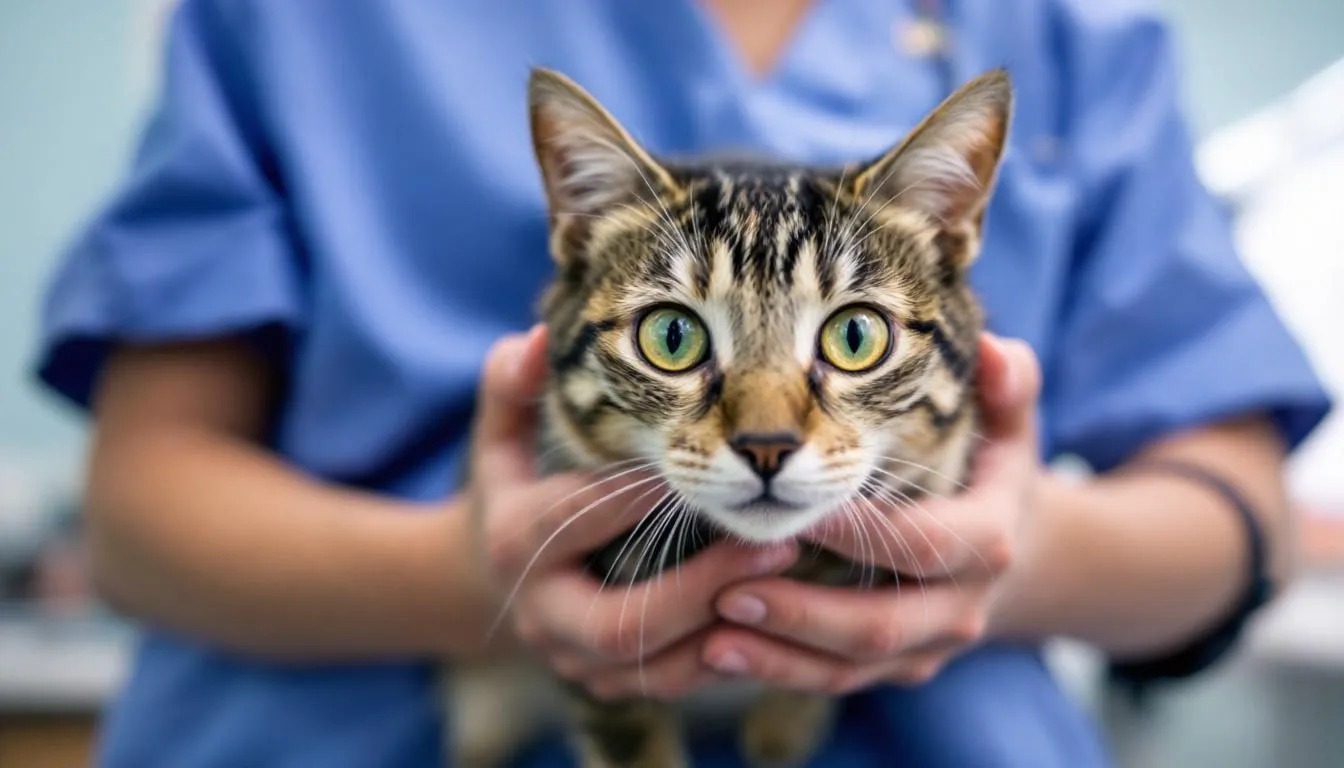
The Street Cat Clinic, a nonprofit organization in Miami-Dade County, performs about 10,000 spay or neuter surgeries annually as part of efforts to address cat overpopulation in South Florida. Miami-Dade Animal Services performs more than 13,000 annually, bringing the combined total to over 23,000 procedures. The clinic aims to solve what officials describe as a significant overpopulation problem affecting the region.
“We do anywhere between 60 and 80 spay or neuter surgeries a day,” said Dr. Matthew Toscano, a veterinarian at the Street Cat Clinic. The high volume of procedures reflects the scope of the challenge facing Miami-Dade County, where an estimated half-a-million street cats live throughout various neighborhoods. Most neighborhoods have residents feuding over the presence of these cats, creating ongoing community tensions.
“Cat Lovers want Trap-Neuter-Return, right? We want less cats outside. People who don’t love cats want less cats outside, right? So, really it serves everybody,” Toscano said. The Trap-Neuter-Return approach represents a strategy that both cat advocates and those who prefer fewer outdoor cats can support. This method involves capturing street cats, sterilizing them, and returning them to their territories to prevent further reproduction.
Thais Cervantes feeds cats at the Brisas Del Este community every morning, but faces opposition from neighbors who object to the practice. A neighbor recently told her that he was poisoning the food intended for the cats. “You can see they are very friendly. They do nothing to nobody. They just want food and water and protection,” Cervantes said. Tia Williams, who works for the Street Cat Clinic and Cat Solutions 305, described Cervantes as a “responsible feeder” who picks up the food after feeding.
“People that don’t like cats threaten them, talk about harming them, even killing them and that’s something that happens all over Miami,” Williams said. The conflicts extend beyond verbal threats to actual violence against the animals. “People are poisoning the cats, shooting them with BB guns, throwing hot water or even acid on them,” Williams said. Such actions constitute violations of cruelty to animal laws, which carry consequences including fines and prison time.
“We’re just trying to create a safe environment for them to just exist,” Williams said. She emphasized the relatively passive nature of cats as a counterargument to complaints about their presence. “Cats sleep 12 to 14 hours a day. They’re not running around bothering you … The truth is this is just as much their home as it is any human home,” Williams said. The Street Cat Clinic continues its daily operations to address the ongoing challenge of cat overpopulation while working to mediate community conflicts over street cat populations.