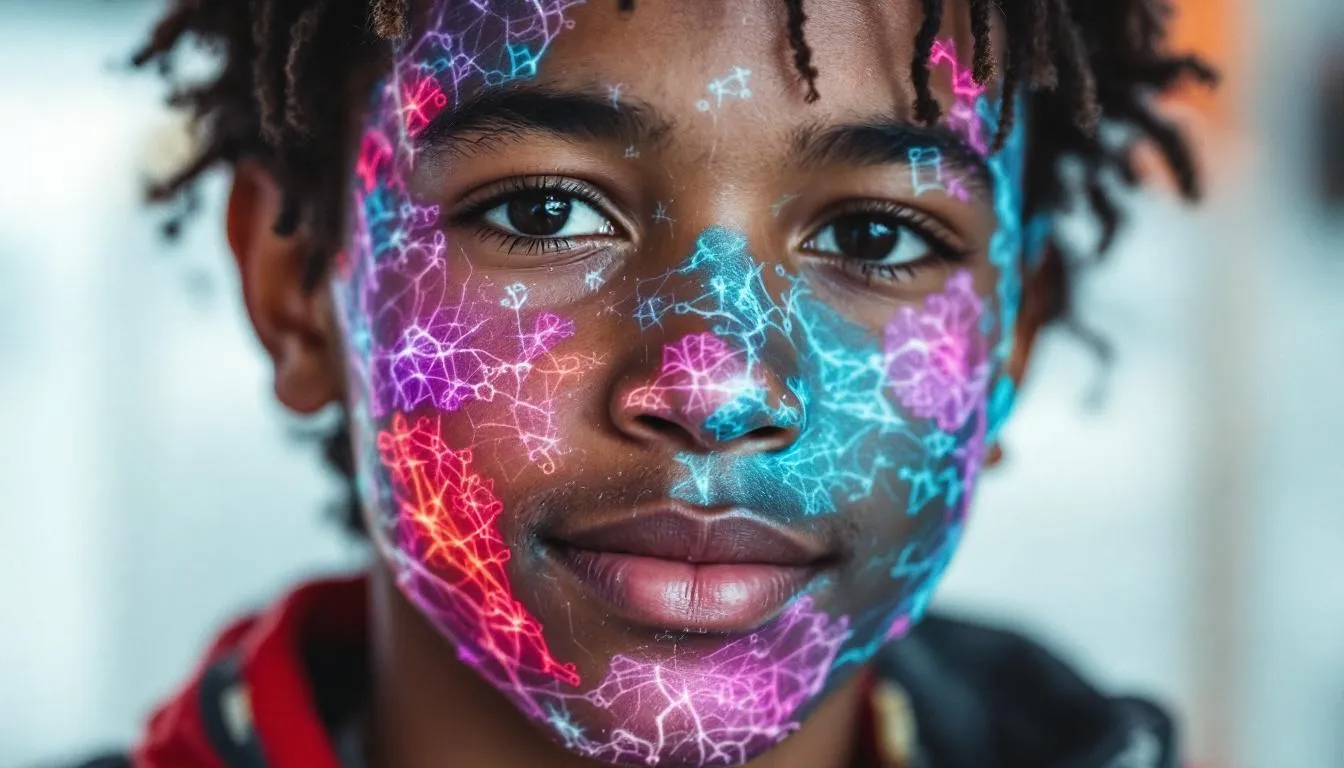
A Miami father’s desperate plea to find a stem cell donor for his 15-year-old son has reached more than 26 million viewers worldwide, but Juan Uribe says the viral attention isn’t enough to save Max’s life. The teenager needs a stem cell transplant by May to treat a rare blood disorder that could develop into a deadly form of cancer.
“Max is really amazing. I mean, he’s curious, he’s like, diligent, he just has a very laid back, fun vibe to him,” Uribe told NBC6. The search for a perfect match has proven difficult because of Max’s genetic makeup as half Caucasian and half Latino, highlighting a critical gap in donor registries.
“It’s clear that, you know, disease is progressing, and physically, he’s now struggling to, like, shake off colds, things that you know would last two days. We’re now kind of in week two of a bad cold. So it’s, it’s getting ugly,” Uribe said. The father has turned to TikTok to amplify his message, but the massive viewership hasn’t translated to enough donor registrations.
According to the National Marrow Donor Program, patients of Latino or mixed ethnicities are significantly underrepresented in blood stem cell registries. Just 13 percent of registered donors identify as Hispanic or Latino, creating a critical shortage for patients like Max who need genetically similar matches.
“Miami, specifically, we know there are so many Hispanics and Latinos, and as we know, Max is half Colombian, and there are so many Colombians here, especially in the city of Miami. So there is so much potential here in this city, or even in the entire state of Florida,” said Gabrielle Morales with NMDP Florida. The organization has been hosting registration drives on local college campuses to address the shortage.
The process to join the registry requires only a quick cheek swab, with the best candidates for Max being between 18 and 35 years old. NMDP has been working to expand its donor base through targeted outreach in communities with large Latino populations.
“You think 25 million people have viewed it? Surely he’s gotten his million additional swaps. But the reality is that we’re not going to get there unless people actually take action. So please do whatever you can to take action,” Uribe said. The father’s plea underscores the urgent timeline facing his family as Max’s condition continues to deteriorate.
The case highlights broader challenges in medical diversity within donor registries, particularly affecting mixed-race patients who require more specific genetic matches. Florida’s diverse population presents both an opportunity and a challenge for organizations like NMDP working to expand their donor pools.
Uribe’s viral campaign represents a new approach to medical advocacy, using social media platforms to reach potential donors directly. The family continues to work with NMDP Florida to organize additional registration events as the May deadline approaches for Max’s transplant.