
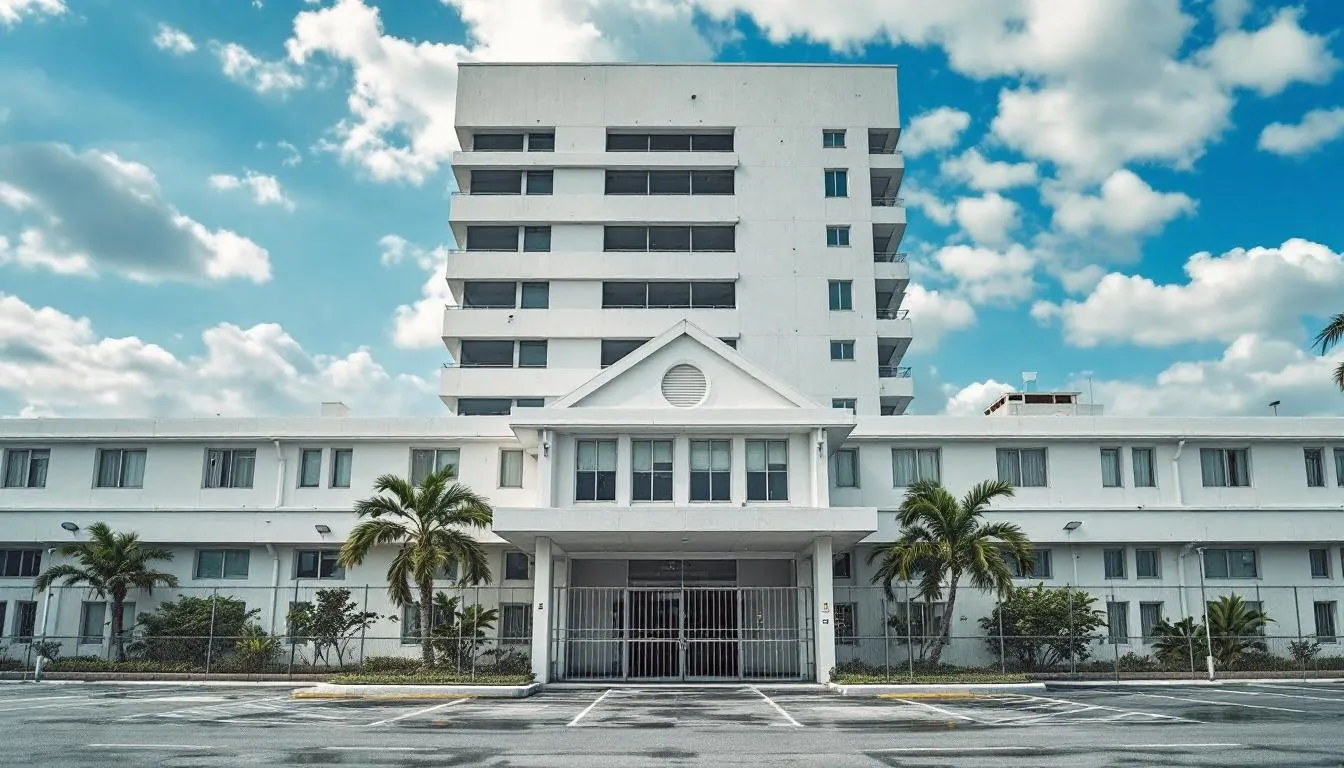
A mental health facility in Miami-Dade County remains shuttered despite voters approving its construction in 2004 and the county spending $50 million on renovations, as local officials continue to delay opening the long-promised center. The Miami Center for Mental Health and Recovery, located at 2200 NW 7th Avenue, was designed to divert mentally ill individuals from county jail to treatment facilities. Judge Steve Leifman, who has championed the project for more than two decades, said the delays are frustrating after years of preparation.
“It’s pretty disheartening, and it’s very disappointing,” Leifman told CBS Miami. “And it was very unexpected because all of this happened right after we had finished everything, and we were ready to open.” The seven-story, 181,000-square-foot building includes a crisis stabilization unit, residential treatment, transitional housing, outpatient services and health care services. The facility will even include a courtroom for specialized proceedings.
In 2024, Miami-Dade County selected two non-profit groups through a competitive process to operate the facility and provide treatment services. Local organizations including the Homeless Trust and Camillus House pledged their support for the project. Funding for the first two years of operation was secured, and everything appeared ready for the center to open.
However, complications arose when Recovery Solutions, a for-profit company from Nashville, secretly submitted a proposal to Mayor Daniella Levine Cava to take over the building operations. The company hired the Southern Group lobbying firm and lobbyist Oscar Braynon to work behind the scenes with county commissioners. The mayor never informed Leifman or County Commissioner Raquel Regalado about the competing proposal, which would cost the county more money while serving fewer people.
The current system forces mentally ill individuals into a destructive cycle of arrests for homelessness or minor drug charges, followed by weeks or months in jail before release and re-arrest. Leifman has identified 1,000 mentally ill individuals by name who repeatedly cycle through this system. The top five people on that list were arrested 142 times in the last five years and spent nearly 4,000 days in jail for non-serious offenses.
“This went through so much vetting, so much analysis, and everything that we are doing with this building; it’s not hypothetical or theoretical,” Leifman said. “We know exactly who needs to come in the building. We have a list of the individuals. We know who is costing the county so much money.” The judge noted that these individuals continue cycling through crime, homelessness and hospitalization without receiving proper treatment.
The Miami Center for Mental Health and Recovery represents a first-of-its-kind facility that could break this costly and ineffective cycle by providing specialized treatment that county jails cannot offer. Leifman regularly gives tours of the empty building to government officials from around the country who want to replicate his jail diversion program. He tells visitors he hopes to have the center open soon, though that timeline continues to slip as county officials delay final approvals through various commission committees.