
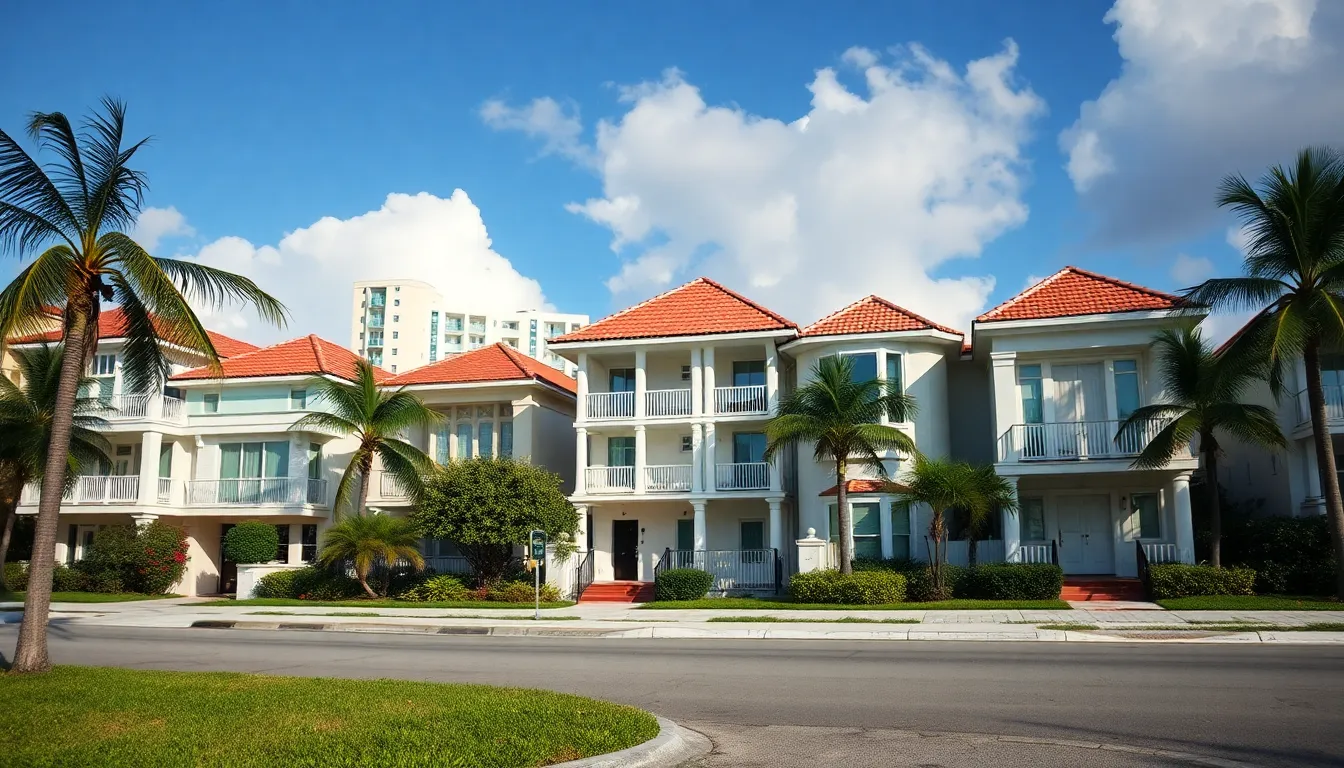
Miami has been ranked as the world’s most at-risk housing market according to the Global Real Estate Bubble Index 2025 released by UBS, with a bubble risk score of 1.73 that exceeds the 1.5 threshold signaling high risk. The ranking places Miami ahead of other overheated markets including Los Angeles, Toronto, San Francisco and New York. Florida’s largest metropolitan area now faces unprecedented housing market conditions that surpass even the dangerous levels seen before the 2006 financial crisis.
“Over the past 15 years, Miami has posted the strongest inflation-adjusted housing appreciation among all cities in the study,” UBS wrote in its report. The Swiss bank’s analysis tracks critical metrics including price-to-income ratios, price-to-rent ratios, construction activity and mortgage rates across global markets. Affordability for buyers in Miami has plummeted to near record lows while home prices continue to diverge sharply from rental costs.
“The current price-to-rent ratio has surpassed even the extremes of the 2006 property bubble, signaling a high bubble risk,” UBS stated in its findings. The 2006 housing bubble collapse wiped out trillions in household wealth, triggered widespread foreclosures and sparked the worst financial crisis since the Great Depression. Miami’s current price-to-rent metrics now exceed those dangerous pre-crisis levels, raising alarm bells among economists and real estate analysts.
Florida’s housing market experienced explosive growth during the pandemic as Americans relocated to the state seeking warmer weather, lower taxes and expanded living space. The state’s lack of income tax continues attracting high-net-worth individuals from across the United States, particularly to Miami’s coastal areas. However, this influx has created unsustainable price pressures that now threaten market stability.
Miami’s housing inventory has climbed back to near pre-pandemic levels, creating additional market pressures alongside regulatory changes forcing condominium associations to address decades of deferred maintenance. These regulatory requirements are saddling property owners with hefty repair bills, adding financial strain to an already stretched market. The combination of increased supply and mounting ownership costs is prompting more property owners to sell.
Insurance premiums are surging throughout South Florida, driven by mounting environmental risks including flooding and hurricanes that have become increasingly frequent and severe. These escalating insurance costs, combined with rising maintenance expenses and property taxes, are creating a perfect storm of financial pressures on Miami homeowners. The cumulative effect of these factors is adding significant downward pressure on the housing market.
Despite broader market concerns, Miami’s luxury real estate segment continues attracting billionaire investors drawn to the area’s coastal appeal and Florida’s favorable tax environment. The state’s absence of income tax remains a powerful draw for wealthy individuals relocating from high-tax states. However, this high-end activity represents only a small fraction of the overall market and cannot offset broader affordability challenges facing typical homebuyers.
The UBS Global Real Estate Bubble Index methodology examines multiple economic indicators to assess bubble risk across major metropolitan areas worldwide. Markets scoring above 1.5 are considered at high risk for significant price corrections, while scores above 2.0 indicate extreme bubble conditions. Miami’s 1.73 score places it firmly in dangerous territory, suggesting substantial downside risk for property values.
Real estate experts are closely monitoring Miami’s market conditions as potential indicators for broader Florida housing trends, given the city’s role as a bellwether for statewide property values. The next quarterly housing data release is expected in April, which will provide updated metrics on price trends, inventory levels and sales activity across Miami-Dade County.