
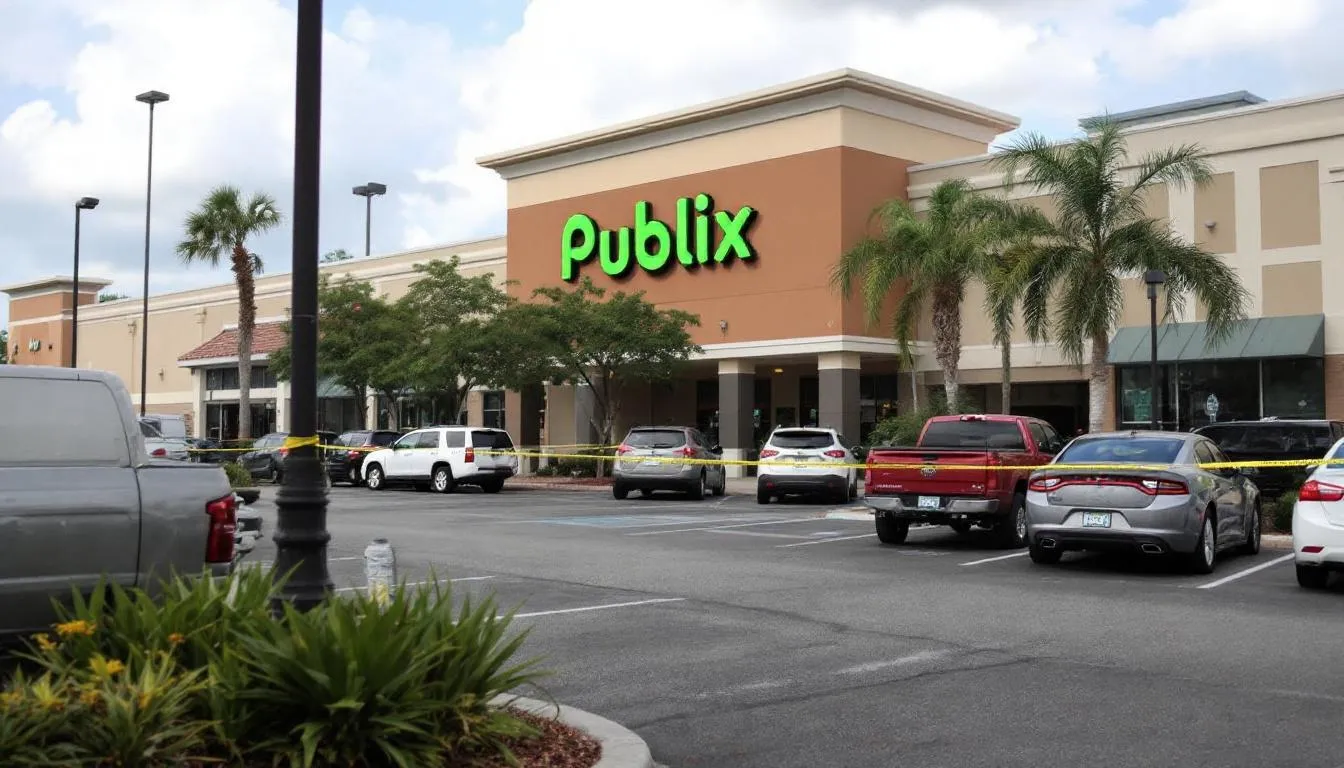
Florida’s 4th District Court of Appeals ruled that Publix Supermarkets had no legal duty to protect customers from a 2021 shooting at its Royal Palm Beach store that killed a toddler and his grandmother. The three-judge panel issued its decision March 18, upholding a Palm Beach Circuit Court summary judgment in favor of the grocery chain.
“While events giving rise to this case are undeniably tragic, the law imposed no duty on Publix to protect against this unforeseeable criminal act,” the appeals court panel wrote in its opinion. The ruling represents a significant victory for businesses and liability insurers in an era of frequent mass shootings in public places.
The family’s attorneys had presented data showing 450 gun incidents and 137 gun deaths at national grocery chains from 2020 to 2022, including five deaths at Publix stores specifically. They argued that Publix’s implementation of annual active shooter training for employees at all stores demonstrated the company’s awareness of potential shootings and created a duty to protect customers.
Appeals court Judge Cory Ciklin rejected this argument in the court’s opinion. “The general framework for determination of whether a duty exists confirms no duty existed here,” Ciklin wrote. “Publix has a duty to guard against criminal attacks by third parties only insofar as those attacks are reasonably foreseeable. Here, no evidence was presented of prior batteries against a person, let alone shootings, within the Publix at the Crossroads.”
The court specifically addressed the active shooter training argument, finding it insufficient to establish foreseeability. “Publix’s active shooter training did not create a foreseeable zone of risk,” the appeals court wrote. “It merely showed that Publix was aware of the possibility of an active shooter event somewhere at one of its stores across the country at some point.”
In a concurring opinion, appeals court Judge Spencer Levine warned that accepting the plaintiffs’ argument would create impractical requirements for all businesses. “At some point, video surveillance would be required, and then, not long afterwards, active monitoring of those cameras in all stores-whether large or small,” Levine wrote. “A security guard at the door would potentially develop into having an armed guard. And the ubiquitous guard would potentially be in every commercial establishment regardless of its size.”
William Large of the Florida Justice Reform Institute, which filed a friend-of-the-court brief supporting Publix, emphasized the shooter’s concealment methods made prevention nearly impossible. The gunman carried his weapon inside a fanny pack, hidden from view, and even metal detectors would have been ineffective since Florida law allows concealed carry without a permit.
The Justice Reform Institute’s amicus brief argued that expanding Publix’s duty would fundamentally alter business liability across Florida. “Accepting Appellants’ invitation to expand Publix’s duty to encompass liability in these circumstances would turn all Florida retail businesses into guarantors of their patrons’ safety, which this Court has declined to do and should continue declining to do,” the brief stated.
The trial court had granted summary judgment for Publix in 2024, finding the supermarket owed no legal duty to protect against unforeseen criminal acts. The appellate court’s affirmation this week solidifies the legal precedent that businesses cannot be held liable for unforeseeable random violence.
This decision marks the second significant appellate court victory for the Florida-headquartered Publix Supermarkets this year. In February, Florida’s 1st District Court of Appeals ruled in the company’s favor regarding physician dispensing of medications under workers’ compensation statutes, ending a regulatory debate that had persisted for more than a decade.