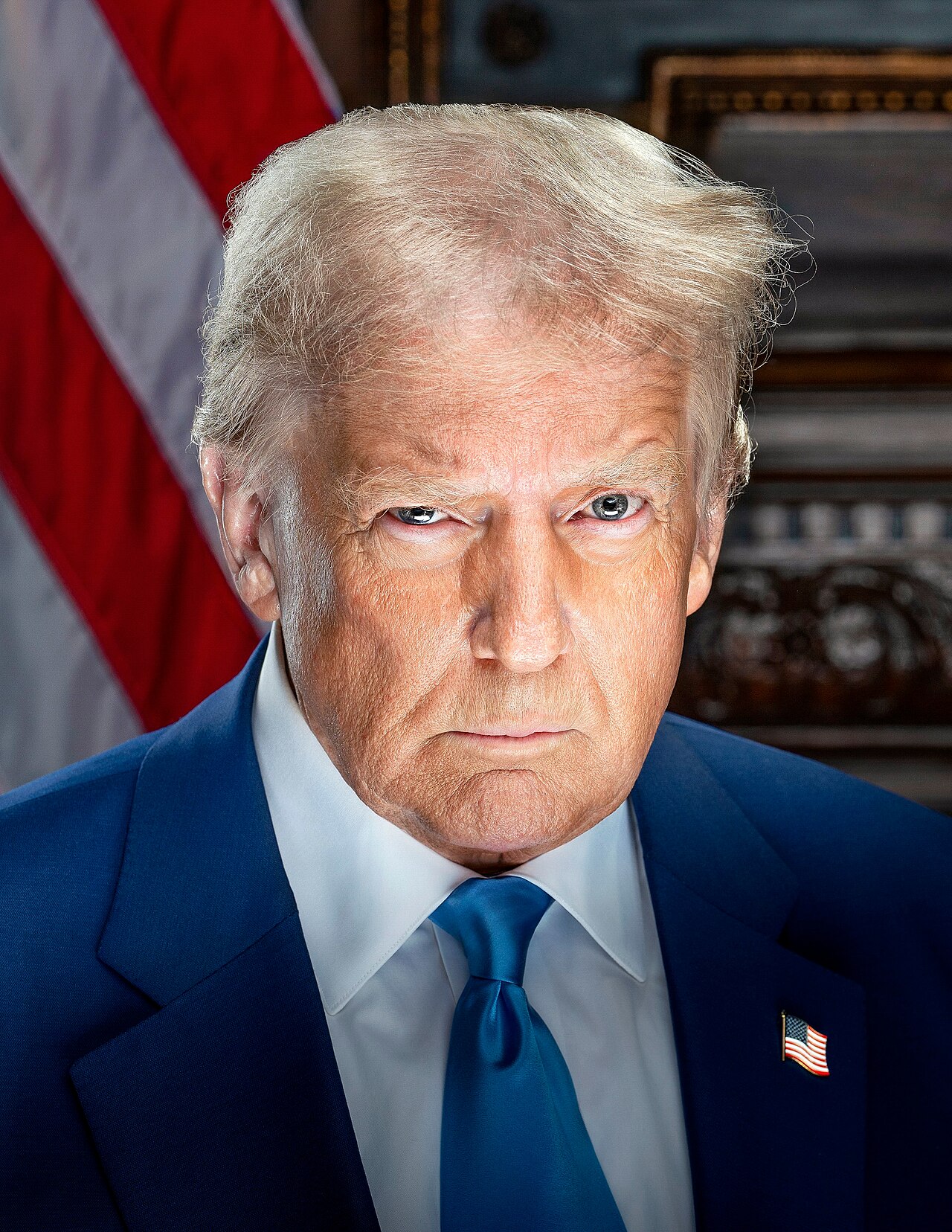
WASHINGTON — President Donald Trump signed an executive order titled “Strengthening Customs Enforcement” that empowers U.S. Customs and Border Protection with sweeping new authorities to police international trade, requiring both domestic and foreign importers to meet heightened transparency and accountability standards or risk losing the ability to ship goods into the country.
“Importing into the U.S. has for too long been treated as a right and not a privilege,” said CBP Commissioner Rodney Scott. “CBP will execute the priorities in this Executive Order and by doing so we will fortify our trading border just as we have done with our physical border.”
The order requires importers to provide more detailed information about their ownership, business operations and supply chains, and to maintain good standing with CBP to continue importing. Customs brokers face higher standards as well and must conduct greater due diligence of their importers. Foreign importers are now subject to heightened import restrictions, and bond rules are being updated to set new minimums and leverage against risk — ensuring importers are financially responsible for their activities and preventing companies from exploiting outdated requirements.
“This Executive Order helps CBP better detect when bad trade actors try to break the rules,” said CBP Office of Trade Executive Assistant Commissioner Susan S. Thomas. “These are major advances in protecting our revenue and increasing supply chain transparency — both critical to ensuring fairness for everyone and safeguarding our nation’s economic and national security.”
The order carries direct consequences for Florida’s port operations. The state is home to some of the nation’s busiest cargo gateways, including PortMiami and Port Everglades, where importers will now face the tighter compliance regime. CBP Office of Field Operations Executive Assistant Commissioner Diane J. Sabatino said the changes give frontline personnel sharper tools. “The Executive Order provides CBP with critical new tools and authorities to combat nefarious actors attempting to exploit our trade and cargo systems,” Sabatino said. “Our officers and import specialists are now better equipped to identify, interdict, and penalize those who threaten our economic security and national interests through illicit trade practices.”
Importers who fail to comply with U.S. customs and trade laws risk losing their importing privileges entirely. The White House framed the changes as advancing the America First Trade Policy by “enhancing supply chain security, creating a level playing field for businesses that follow the rules, and protecting American consumers.”
CBP has not yet announced a timeline for implementing the updated bond minimums or the new importer vetting requirements, though the agency said it stands ready to begin enforcement immediately.